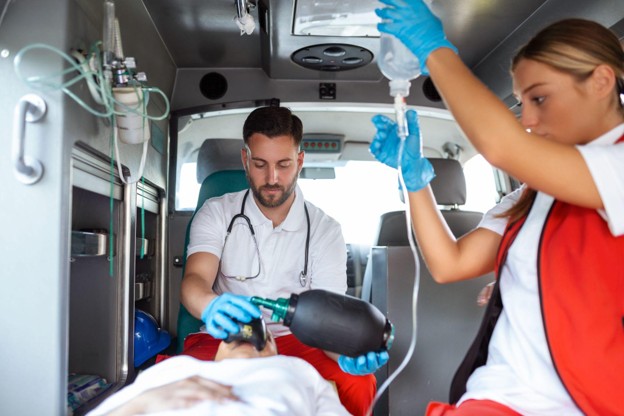
Medical emergencies rarely happen at convenient times or in convenient places. Medical Tourism Mazatlan’s Scott Kramer explains how air ambulance services in Mexico provide an important transportation option for patients whose medical needs require specialized care during travel. Whether someone experiences a serious illness while vacationing, requires transfer to a specialized hospital, or needs to return home for continued treatment, understanding how air ambulance services work can help families make informed decisions during stressful situations.
For many travelers and expatriates, the thought of needing emergency medical transportation in another country is something they hope never to face. However, knowing what resources are available before an emergency occurs can make an enormous difference when every minute matters.
What Is an Air Ambulance?
An air ambulance is a specially equipped aircraft designed to transport patients who require medical care while traveling between healthcare facilities or across long distances. Unlike standard charter flights, these aircraft function as flying intensive care units, equipped with advanced medical equipment and staffed by trained medical professionals who monitor and care for patients throughout the journey.
Depending on the patient’s condition, the onboard medical team may include:
- Flight nurses
- Critical care paramedics
- Emergency physicians
- Specialized medical personnel when needed
This level of care allows patients to receive continuous medical monitoring from departure through arrival.
When Is an Air Ambulance Needed?
Not every medical situation requires air transportation. Ground ambulances remain appropriate for many emergencies.
Air ambulance services are often considered when:
- A patient requires transfer between hospitals over long distances
- Specialized medical treatment is unavailable locally
- A patient is medically stable enough to fly but requires continuous monitoring
- Time-sensitive medical conditions require faster transportation
- Returning home for ongoing treatment is medically appropriate
Each situation is carefully evaluated to determine the safest transportation method based on the patient’s medical condition and physician recommendations.
Why Air Medical Transport Matters in Mexico
Mexico offers excellent healthcare facilities in many regions, including internationally recognized private hospitals. However, like any large country, specialized services may not always be available in every location.
Patients may occasionally need transportation:
- Between cities
- From smaller communities to major medical centers
- From Mexico to hospitals in the United States
- Back to their home country for continued treatment
Experienced air ambulance providers coordinate these transfers while maintaining appropriate medical care throughout the journey.
More Than Simply Booking a Flight
One common misconception is that an air ambulance is simply an airplane with medical equipment. In reality, the process involves extensive medical and logistical coordination.
A typical medical transport may include:
- Coordination with the treating physician
- Medical evaluation before transport
- Ground ambulance transportation when needed
- Flight planning
- Hospital-to-hospital communication
- Continuous patient monitoring during flight
This comprehensive approach helps ensure that patient care continues seamlessly from one medical facility to the next.
Working With Insurance Can Simplify the Process
For many individuals, one of the biggest concerns during a medical emergency is understanding insurance coverage.
Depending on the patient’s policy, services may include assistance with:
- Verifying insurance benefits
- Coordinating with insurance providers
- Communicating with healthcare facilities
- Organizing medically appropriate transportation
- Managing documentation related to patient transfers
Having knowledgeable professionals assist with these administrative steps can reduce stress for patients and their families while allowing them to focus on recovery.
The Importance of Coordination During Emergencies
Medical transportation involves far more than moving a patient from one location to another. Successful transfers depend on communication among multiple organizations.
These may include:
- Treating physicians
- Receiving hospitals
- Air medical crews
- Ground ambulance providers
- Insurance representatives
- Family members
Careful coordination helps minimize delays while ensuring everyone involved understands the patient’s medical needs and transportation plan.
Preparing Before an Emergency Happens
Although no one expects to require emergency medical transportation, preparation can make future decisions easier.
Travelers spending time in Mexico may benefit from:
- Reviewing health insurance coverage before traveling
- Keeping important medical information accessible
- Maintaining emergency contact information
- Understanding where nearby hospitals are located
- Knowing whom to contact if specialized assistance becomes necessary
Planning ahead allows families to respond more confidently if unexpected medical situations arise.
Why Guidance Matters During International Medical Care
Navigating healthcare in another country can feel overwhelming, particularly during an emergency. Language differences, unfamiliar healthcare systems, insurance questions, and transportation logistics can quickly become complicated.
Working with experienced professionals who understand both the Mexican healthcare system and U.S. insurance processes can help simplify communication, coordinate care, and support patients throughout the medical journey.
For individuals seeking treatment in Mexico or requiring assistance during an unexpected medical situation, having an experienced advocate can make the process significantly less stressful.
Peace of Mind Beyond the Medical Emergency
One of the greatest benefits of organized medical transport services is the reassurance they provide. Families gain confidence knowing that experienced professionals are coordinating each step, from medical evaluation and transportation planning to hospital communication and insurance coordination.
While every medical situation is unique, having access to comprehensive support helps patients focus on what matters most, their recovery.
Conclusion
Air ambulance services play an important role in modern healthcare by providing medically supervised transportation for patients who require specialized care during travel. Whether transferring between hospitals, returning home for continued treatment, or accessing advanced medical services, these flights combine critical care expertise with carefully coordinated logistics to support patient safety throughout the journey.
Understanding how air medical transport works before an emergency occurs empowers travelers and families to make informed decisions when time is critical. With experienced coordination, appropriate medical oversight, and assistance navigating healthcare systems and insurance, patients can receive the care they need while minimizing unnecessary stress during challenging circumstances.
Phone USA: (609) 503-4052
Phone Mex: (669) 114-3741